
A significant regulatory shift to support Singapore’s EV transition
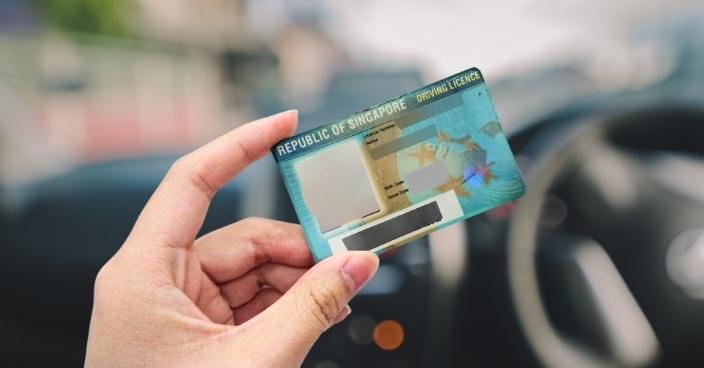
From Dec 15, holders of Class 3 and Class 3A driving licences in Singapore will be allowed to drive selected heavier electric light goods vehicles (LGVs) and electric small buses, following an exemption order announced by the Traffic Police (TP).
The move marks a notable update to existing driving licence restrictions and is part of Singapore’s broader push towards a full transition to clean energy vehicles by 2040.
For motorists, fleet operators, and businesses adopting electric vehicles, this change brings both new opportunities and important responsibilities.
What has changed under the new exemption?
Under current regulations, Class 3 and 3A licence holders are restricted to driving LGVs and small buses with an unladen weight (ULW) of up to 2,500kg. Vehicles exceeding this threshold require a Class 4 or Class 4P licence.
From December 15, TP will allow Class 3 and 3A drivers to operate four specific electric vehicle models with a ULW between 2,501kg and 3,000kg:
- Higer H5C High Roof
- Mercedes-Benz eSprinter 320
- Ford F-150 Lightning
- Joylong EA5
This exemption applies automatically to all existing Class 3 and 3A licence holders. No additional endorsement, test, or licence update is required.
The vehicles were selected based on industry requests, particularly from logistics and transport operators transitioning their fleets to electric.
Why electric vehicles are heavier and why it matters
Electric LGVs and small buses are typically 400kg to 500kg heavier than their internal combustion engine (ICE) counterparts. This is largely due to the battery packs, which are usually installed beneath the vehicle floor.
According to TP, this battery placement results in a lower centre of gravity, which can improve stability and does not significantly affect key driving characteristics such as steering response, turning radius, or overall vehicle dimensions.
After assessment, TP concluded that these electric vehicles have similar handling characteristics to ICE vehicles that Class 3 and 3A drivers are already permitted to drive, making them safe for operation under the revised weight limit.
Important distinction: Electric vs ICE vehicles
It is crucial for motorists to note that this change only applies to electric vehicles.
The ULW limit for ICE LGVs and small buses remains at 2,500kg and driving an ICE vehicle above this limit still requires a Class 4 or Class 4P license
The exemption does not apply universally to all electric vehicles but only approved models under the stated weight limit
This distinction is especially important for drivers who operate multiple vehicles or switch between electric and ICE models within commercial fleets.
Interim measure, with broader changes planned in 2026
TP emphasised that the current exemption is an interim measure.
Looking ahead to 2026, legislative amendments and system enhancements are expected to raise the ULW threshold across the board, allowing Class 3 and 3A licence holders to drive all electric LGVs and electric small buses with an unladen weight of up to 3,000kg.
However, until those amendments are formally implemented, motorists must comply strictly with the approved list and weight limits.
How to check your vehicle’s unladen weight
To avoid accidental offences, vehicle owners and drivers should verify a vehicle’s ULW through official sources:
- Check the vehicle registration card
- Use the OneMotoring portal by the Land Transport Authority (LTA)
- Refer to the vehicle identification number (VIN) plate
- Contact the manufacturer or authorised dealer for specifications
Driving a vehicle that exceeds your licence class weight limit remains a serious offence.
Penalties for non-compliance remain severe
TP reiterated that operating a vehicle beyond one’s licensed ULW threshold is a punishable offence:
- First-time offenders:
Up to $10,000 fine, up to three years’ jail, or both - Repeat offenders:
Up to $20,000 fine, up to six years’ jail, or both
With enforcement unchanged, motorists are urged to exercise caution and confirm compliance before driving heavier vehicles.
What this means for motorists and road safety
This regulatory update reflects Singapore’s pragmatic approach to supporting EV adoption while maintaining road safety standards. For everyday motorists, the key takeaway is simple: electric does not automatically mean permitted.
As more electric commercial vehicles enter Singapore’s roads, awareness of vehicle specifications and licence limitations will become increasingly important.
Frequently Asked Questions (FAQ)
Can Class 3 drivers drive any electric van in Singapore?
No. Only specific electric vehicle models approved by the Traffic Police and within the stated weight limit are allowed.
Does this exemption apply to petrol or diesel vehicles?
No. The exemption applies only to electric vehicles. ICE vehicles above 2,500kg still require a Class 4 licence.
Do drivers need to upgrade their licence?
No additional test or endorsement is required for approved electric vehicles.
What happens if a driver exceeds their licence limit?
Severe penalties apply, including heavy fines and imprisonment.
Have a story to share?
Accidents occur frequently, but as responsible road users, we can collectively contribute to reducing their frequency.
If you or someone you know has a video or story to share, please do not hesitate to email us at writer@roads.sg
Together, we can all contribute to creating safer roads for everyone.